
Sim Stars: Terri Middlebrooks, R.N.
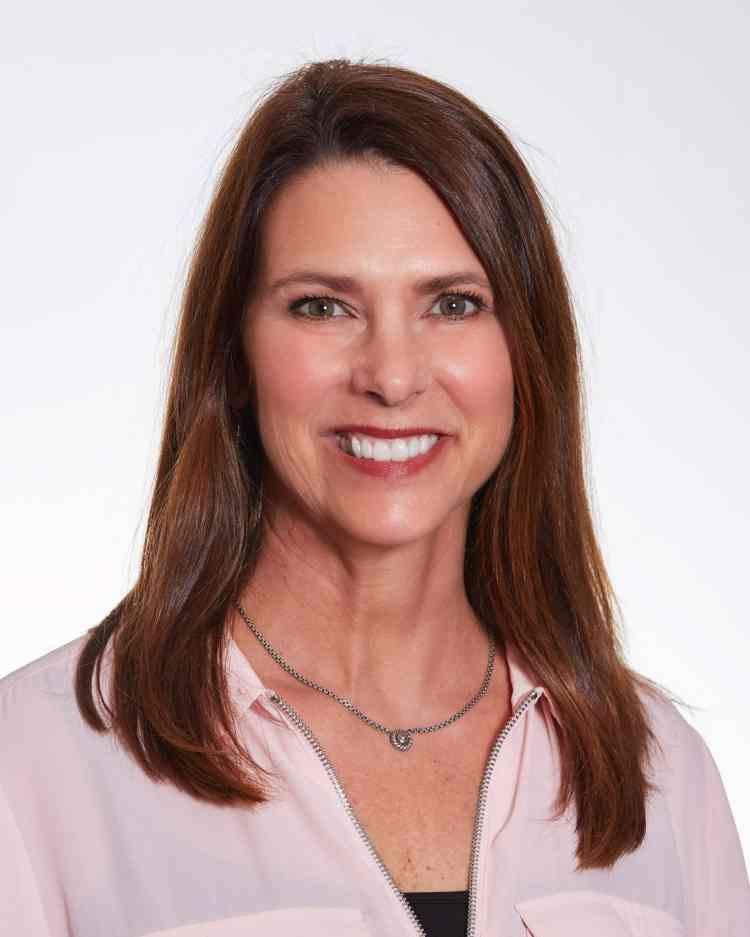
Sim Stars is a regular feature in UAB Clinical Simulation’s think Sim First newsletter, created to highlight the simulation facilitators who bring learning to life. Each month, we spotlight a partner whose work exemplifies excellence in simulation, collaboration and experiential learning for UAB Medicine.
Some of the most important lessons in simulation begin when learners look beyond a patient’s diagnosis.
Just ask Terri Middlebrooks, R.N., program development manager with the Department of Interprofessional Practice and Training, who first became involved in healthcare simulation through the Geriatric Scholars Program. After completing the program herself, she eventually took on its coordination, and with simulation part of the scholar experience, she knew she needed to learn how to facilitate it.
“It didn’t take long for me to realize that simulation is one of the most effective ways to bridge the gap between learning and real-life patient care,” Middlebrooks said.
Today, she uses simulation to help Geriatric Scholars practice skills ranging from recognizing delirium and navigating difficult conversations to working as an interprofessional team. She also incorporates simulation into her work as coordinator of the Hospital Elder Life Program, or HELP, where volunteers can practice interacting with hospitalized older adults experiencing delirium, dementia, sensory impairments or anxiety before stepping onto a patient unit.
Middlebrooks especially enjoys simulations involving older adults because they challenge learners to consider more than a patient’s immediate medical needs.
“The patient is a person, not a diagnosis,” she said. “And the caregiver is part of the patient.”
One geriatric simulation brought that philosophy into particularly sharp focus. Learners initially concentrated on the patient’s medical condition, speaking over a patient who had difficulty communicating and overlooking the caregiver nearby, Middlebrooks recalled.
During debriefing, however, they began recognizing what they had missed. The conversation shifted toward the importance of including patients even when communication is difficult, preserving their dignity and recognizing the stress and needs of those caring for them, she said.
“Watching learners make that connection is incredibly rewarding because I know it will change the way they care for patients long after the simulation ends,” Middlebrooks said.
That opportunity for reflection is among the qualities Middlebrooks values most about simulation. For new facilitators, she recommends resisting the urge to supply every answer themselves and instead giving learners room to make their own discoveries.
“Don’t be afraid to let the learners do the talking during the debriefing,” she said. “Stay curious, listen and always remember that every simulation is preparing someone to provide safer, more compassionate care for their patients.”
UAB Medicine’s Clinical Simulation program offers opportunities for individuals and teams across UAB Medicine and beyond to practice before they deliver care. We encourage all who provide and support patient care to “Sim First.” Together, we can put our patients’ safety first. Visit here to learn about other Sim Stars.
0 Comments