
Sim Stars: David James, DNP
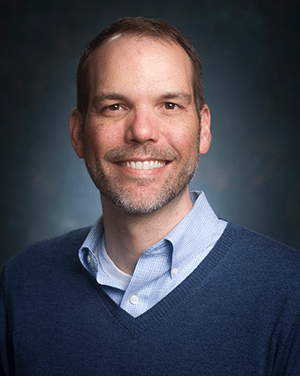
Sim Stars is a regular feature in UAB Clinical Simulation’s think Sim First newsletter, created to highlight the simulation facilitators who bring learning to life. Each month, we spotlight a partner whose work exemplifies excellence in simulation, collaboration and experiential learning for UAB Medicine.
For David James, DNP, facilitator and program development manager with UAB Medicine’s Department of Interprofessional Practice & Training, simulation is ultimately about helping learners discover insights for themselves.
“I consider myself an educator at heart, and I was drawn to simulation because of its strong foundation in adult and active learning,” James said. “Simulation creates a safe, engaging environment where learners can explore complex concepts, practice decision making and move from knowledge to real-world application.”
With more than 25 years of healthcare experience, James is particularly passionate about interprofessional simulation, where learners from different disciplines come together to practice collaboration and communication.
“I have seen how important it is for healthcare professionals to understand one another’s roles and communicate effectively across disciplines,” he said. “Simulation provides a structured space for learners to practice collaboration, reflect together and build professional connections that support patient care.”
One learner moment, in particular, has stayed with him.
During a simulation debriefing, a participant reflected on a team member who sat beside a patient, held the patient’s hand and acknowledged their fear during a challenging scenario.
“That moment helped the learner see beyond the clinical presentation and recognize the value of human presence and touch,” James said. “It also reinforced for me the power of simulation as a space for reflection.”
Experiences like that illustrate what James believes sets simulation apart from traditional classroom instruction. While lectures can help learners understand concepts, simulation gives them opportunities to apply knowledge in realistic situations, practice communication and teamwork, and receive feedback through structured debriefing.
“Simulation allows learners to experience the complexity of patient care, reflect on their decisions and discover insights they may not reach through lecture alone,” he said.
For those just beginning their journey as simulation facilitators, James offers simple but powerful advice.
“Trust the process,” he said. “At the same time, remember that your role is to be the guide on the side, not the sage on the stage. Focus on creating psychological safety, maintaining the Basic Assumption and asking curious questions that help learners process their experience. When facilitators do their part well, learners are better positioned to engage, reflect and take ownership of their learning.”
UAB Medicine’s Clinical Simulation program offers opportunities for individuals and teams across UAB Medicine and beyond to practice before they deliver care. We encourage all who provide and support patient care to “Sim First.” Together, we can put our patients’ safety first.

0 Comments