
iSim of the Month: You gave feedback. We made changes.
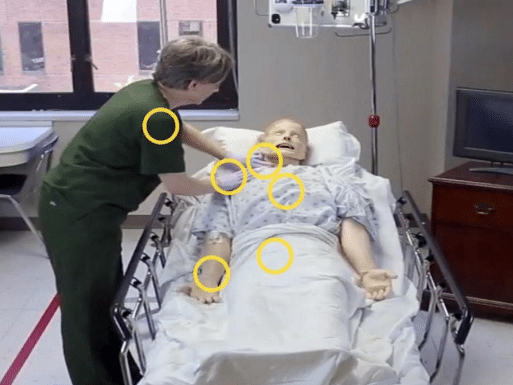
Effective simulation is not static. It improves through collaboration with the people who use it.
Embedded in each iSim experience is a brief survey that allows learners to share what worked well and where improvements are needed. Over the past year, this feedback has been consistently positive, with many learners highlighting the relevance and realism of the simulations.
Just as importantly, learner comments have driven meaningful refinement. The entire iSim simulation fleet has been reviewed and updated with user feedback in mind. Insights related to clarity, flow and decision-making informed targeted changes across modules.
This work reflects our belief that strong simulation is designed with clinicians, not simply delivered to them. And your feedback helps inform how simulations continue to evolve.
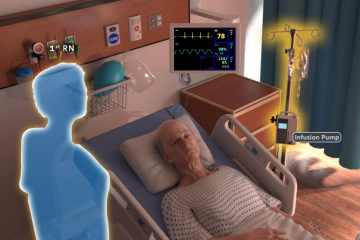
Virtual simulation is a prime case in point. Immersive technology offers an exciting opportunity to build on what already works, and iSim continues to expand and explore ways to increase immersion within screen-based virtual simulation, including the use of 360-degree and panoramic environments. These tools allow learners to interact with clinical spaces in richer ways—scanning the environment, noticing contextual details and considering how space and layout influence clinical decision-making.
These immersive environments remain accessible through standard computer screens and are designed to complement existing iSim experiences, not replace them. When used intentionally, they enhance environmental awareness while preserving the flexibility and ease of access that screen-based simulation provides.
We are excited to begin integrating these immersive elements into upcoming iSim experiences and to explore how they can further support safe, effective clinical practice. Thank you for taking the time to share your feedback—and for thinking Sim First.

0 Comments