
Sim Stars: Ashley Thomas
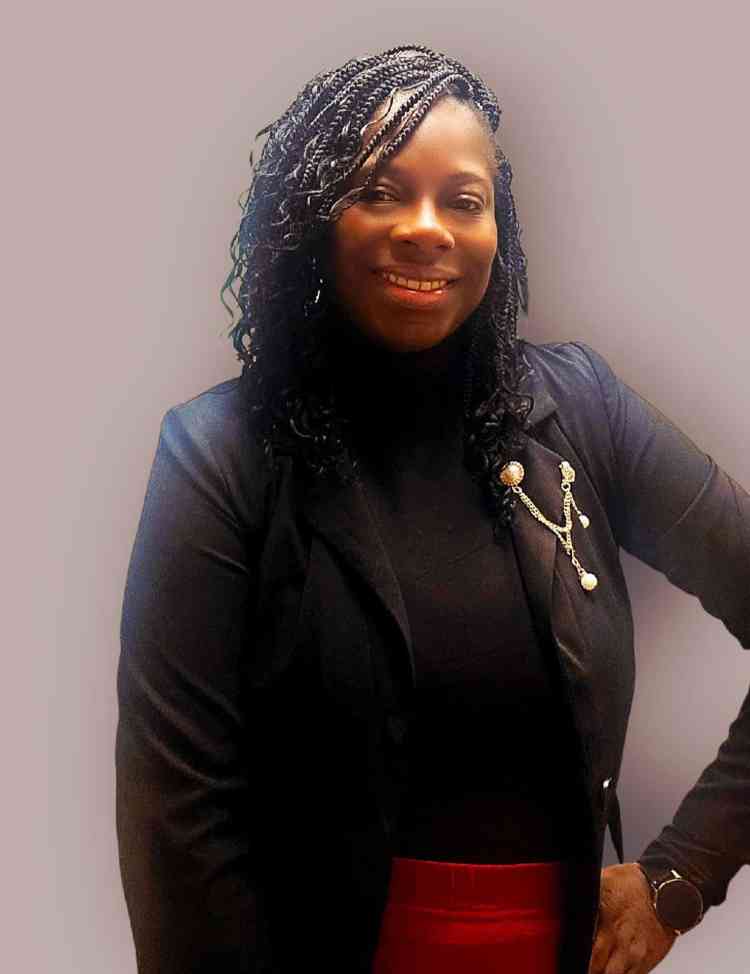
Sim Stars is a regular feature in UAB Clinical Simulation’s think Sim First newsletter, created to highlight the simulation facilitators who bring learning to life. Each month, we spotlight a partner whose work exemplifies excellence in simulation, collaboration and experiential learning for UAB Medicine.
Ashley Thomas was drawn to health-care simulation for one core reason: its direct impact on patient care.
Thomas, director of quality and operations for UAB Medicine radiology, was inspired by the continuous opportunities for growth in learning and training—especially when that growth directly translates to safer, more confident clinical practice.
“There are situations where technologists and physicians may not be fully competent or may have limited exposure to certain scenarios,” she said. “Simulations help bridge that gap by providing a safe environment to practice, refine skills and improve confidence before encountering real patients.”
Those high-stakes moments—rare but life-altering—are her favorite scenarios to facilitate.
“I also enjoy simulations that focus on communication, workflow and teamwork because they allow staff to practice real-time decision-making, identify gaps and strengthen collaboration,” she said. “All of this directly improves patient safety and outcomes.”
One recent moment crystallized just how powerful that work can be. After a contrast reaction simulation that emphasized clear leadership during emergency responses, Thomas saw the lesson translate directly into patient care.
“During the training, we emphasized the importance of identifying a clear leader during a MET/code situation, so everyone knows who to follow and where directions are coming from,” she recalled. “Shortly after, there was a code in CT. A radiologist immediately stepped forward and said, ‘I’m identifying as the leader.’
“It was exciting to witness—seeing a physician apply what we covered in the simulation in a real-world situation. Even more impressive was watching him seamlessly hand off leadership to the code team once they arrived. It was a proud and fulfilling moment that showed the direct impact simulation training can have on patient care and teamwork.”
Thomas also believes simulation offers something that classroom learning alone cannot.
“Learners are placed directly into the situation, allowing them to practice decision-making, communication and critical thinking in real time,” she said. “Simulation creates a safe environment where mistakes become learning opportunities without risk to patients. This hands-on approach builds confidence and understanding, ultimately preparing learners to perform more effectively in real clinical situations.”
For new facilitators, Ashley’s advice centers on patience, teamwork, and reflection.
“Start by creating a supportive and safe environment,” she said. “Be understanding when mistakes happen… the goal is to grow, not be perfect. Spend time building your debriefing skills… because the real learning happens during reflection and discussion. Lean on your team, observe experienced facilitators, ask questions, and seek feedback.”
UAB Medicine’s Clinical Simulation program offers opportunities for individuals and teams across UAB Medicine and beyond to practice before they deliver care. We encourage all who provide and support patient care to “Sim First.” Together, we can put our patients’ safety first.
0 Comments